Everyone has an opinion about Seattle. You’ve probably heard it rains constantly and that everyone works for Amazon. While there are kernels of truth in the stereotypes, the reality is far more interesting and diverse. For instance, did you know the Cascade Mountains split the state into two completely different climate zones? Or that many homes don’t have air conditioning, making summer heatwaves a real event? Getting past the myths is the first step to a successful move. We’re here to give you the inside scoop on all the crucial things to know before moving to Washington state, from its unique social quirks to its surprising weather patterns.
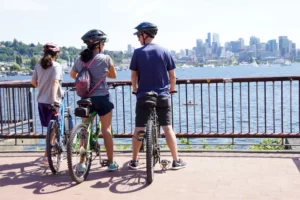 The stunning city of Seattle is so much more than Starbucks and the Space Needle! Are you considering moving to this iconic major city? We’ve gathered five fantastic facts about The Emerald City that make moving to Seattle, WA, a no-brainer. Schedule Your Move Today
1. Why Seattle is a Food Lover’s Paradise
Seattle is a scrumptious city for those with a passion for dining. Local restaurants are frequent nominees for culinary awards, such as The James Beard Award. Each year, the James Beard Foundation honors innovative chefs and world-class cuisine in American cities. In 2023, the foundation named ten local restaurants and chefs as nominees, ranging from Vietnamese fare to bespoke burgers. The next time you order take-out to your new apartment, you could be feasting on an award-winning dish! Award-winner or not, the entire city focuses on local, sustainable, and eco-friendly eats. Coffee connoisseurs will also feel at home in Seattle. The coffee shop scene goes way beyond Starbucks, with small, local roasteries throughout the area.
Cost of Living: What to Expect
Before you start packing your bags, it’s important to understand the financial landscape of living in Seattle. The city presents a unique economic picture with some significant advantages and notable challenges. On one hand, Washington is one of the few states in the country without a personal income tax, which can feel like an instant raise. On the other hand, the overall cost of living, particularly for housing, is considerably higher than the national average. This trade-off is a central part of life in the Emerald City. Balancing these factors is key to creating a budget that works for you. Planning ahead for these expenses, including finding an affordable and reliable moving service, can make your transition much smoother and help you start your new life in Seattle on solid financial footing.
No State Income Tax: A Major Perk
One of the biggest financial draws to Washington is the absence of a state income tax. This is a huge benefit that directly impacts your take-home pay, allowing you to keep more of every paycheck. For anyone moving from a state with a high income tax, this can translate to thousands of dollars in savings each year. This extra cash can make a real difference, whether you put it toward the higher cost of housing, save for a down payment, or simply enjoy the vibrant local culture. It’s a significant financial advantage that makes living in an otherwise expensive state more manageable for many residents.
The Other Side: High Cost of Living
While the lack of state income tax is a major plus, it’s balanced by a high overall cost of living. Seattle is one of the more expensive cities in the United States, with daily expenses and services costing more than the national average. The primary driver behind this is the competitive housing market, but you’ll also notice higher prices for groceries, dining out, and entertainment. It’s essential to go into your move with a clear-eyed view of your potential budget. Planning for these costs ahead of time will help you settle in without financial surprises. Thinking through your moving budget carefully can help you manage initial expenses and prepare for life in the city.
Housing Costs in Major Cities
When we talk about the high cost of living in Seattle, we’re mostly talking about housing. The real estate market in the Puget Sound area is notoriously competitive and expensive. Whether you’re looking to rent an apartment or buy a home, be prepared for steep prices. For many singles, a salary of over $100,000 is often necessary to live comfortably and manage housing costs without being stretched too thin. This reality shapes much of life in the city, so it’s wise to research neighborhoods and housing options thoroughly before you make your move to find a situation that fits your budget.
Understanding Sales and Property Taxes
To get a full financial picture, you also need to consider sales and property taxes. Washington’s state sales tax is higher than the national average, and local taxes can push the rate even higher in Seattle and surrounding areas. This tax applies to most goods and services you purchase. If you’re planning to buy a home, you’ll also need to factor in property taxes. While the average annual property tax in Washington is around $1,731, this figure can vary significantly depending on the county and the value of your home. These taxes are an important part of the state’s revenue system, especially in the absence of an income tax.
Washington’s Diverse Regions and Climate
When you think of Seattle, you probably picture gray skies and rain, but that’s only part of the story. Washington’s climate is incredibly diverse, thanks to the Cascade Mountain Range that splits the state in two. This “Cascade Divide” creates two distinct climate zones. To the west, where Seattle is located, you’ll find a mild, marine climate with damp winters and dry, temperate summers. Cross over the mountains to the east, and you’ll enter a much drier region with hot summers and cold, snowy winters. Understanding this geographical split is key to knowing what to expect from the weather when you move to the Seattle area. You get the best of both worlds: lush, green landscapes year-round and easy access to snowy mountains or sunny plains just a few hours’ drive away.
The Cascade Divide: West vs. East
The Cascade Mountains are more than just a pretty backdrop; they’re a massive weather-maker. Western Washington, including Seattle, experiences mild weather throughout the year. Winters are cool and wet but rarely see significant snowfall, while summers are warm, sunny, and generally dry. This is the climate that gives the region its “Emerald City” nickname. In contrast, Eastern Washington has a more extreme, four-season climate. Summers are hot and arid, while winters are cold, crisp, and often blanketed in snow. This dramatic difference means you can experience completely different weather just by driving a couple of hours east from Seattle.
Rainy Winters and Dark Days in the West
Let’s be honest: Seattle has a reputation for rain for a reason. Western Washington gets a significant amount of precipitation, especially from fall through spring. This often comes with many gray, overcast days, and the shorter daylight hours in winter can be an adjustment for newcomers. However, you’ll quickly notice that locals don’t let the drizzle stop them. Life goes on, and people are still out hiking, biking, and enjoying the city. A good waterproof jacket is a wardrobe staple, but you’ll rarely see an umbrella. Embracing the cozy, misty atmosphere is part of the local culture.
The Nature of the Rain
It’s important to understand that the rain in Seattle is typically not a torrential downpour. More often than not, it’s a light, misty drizzle that hangs in the air. This type of precipitation keeps the landscape incredibly green and lush, but it doesn’t usually disrupt outdoor activities. Unlike the heavy thunderstorms you might find in other parts of the country, Seattle’s rain is gentle enough that you can still comfortably go for a walk or run errands. This subtle difference is why many locals simply wear a hooded jacket and carry on with their day, enjoying the fresh, clean air the rain brings.
Summer Heat and the Lack of AC
While winters are mild and wet, Seattle summers are often glorious, with long, sunny days and comfortable temperatures. However, the city can experience heat waves where temperatures climb into the 90s or even hit 100 degrees. A surprising fact for many newcomers is that a large number of homes and apartments in Seattle do not have air conditioning, as it was historically not considered a necessity. This can make those hot summer weeks uncomfortable. If you’re sensitive to heat, looking for a place with AC or planning to get a portable unit should be on your moving checklist.
2. Can You Live in Seattle Without a Car?
In the age of climate change, your ability to navigate a city on foot is a significant factor. In Seattle, it’s common to commute, socialize, and explore on foot without increasing your carbon footprint. It’s a popular cycling city, with many residents getting more use out of their electric bicycles than their vehicles. If you’re going somewhere farther, you can expect easy access to public transportation options. They include the light rail, offering effortless access to the local airport. The city’s reliable bus system will bring you everywhere the rail doesn’t go. All that to say, Seattle is a wonderful city for those without cars. Even if you’re simply seeking a scenic stroll, you’ll find ample greenspaces and a gorgeous waterfront to explore.
The Reality of Traffic Congestion
If you plan on driving, it’s wise to prepare for Seattle’s traffic. Like many major cities, congestion is a daily reality, and commutes can be challenging. Many locals plan their lives around avoiding rush hour, choosing to live close to their jobs or in neighborhoods that allow them to commute against the main flow of traffic. While the city’s walkability and public transit are excellent, understanding the traffic patterns is key if a car is part of your plan. When planning your move, consider scheduling it during off-peak hours to make the process smoother for everyone involved. A little foresight goes a long way on Seattle’s busy streets.
The Challenge of Parking
Once you’ve made it through the traffic, the next adventure is finding a place to park. In many of Seattle’s popular neighborhoods, parking is both difficult to find and expensive. This reality has led many residents to ditch their cars altogether, embracing the city’s pedestrian-friendly layout. The costs associated with car ownership—gas, insurance, and parking fees—can add up quickly. If you’re searching for an apartment or home, be sure to ask about dedicated parking spots. Having a guaranteed place to park can save you a lot of time and frustration, making your transition to city life much more enjoyable.
Hilly Terrain in Cities like Seattle
Seattle wasn’t built on flat land. The city’s landscape is famous for its rolling hills, which provide stunning views of the water and mountains. While beautiful, these hills can present a challenge for drivers, cyclists, and even pedestrians. Driving in icy or snowy conditions becomes particularly tricky, requiring a different set of skills than you might be used to. The steep inclines can also make moving day more complex. Navigating a heavy moving truck and carrying furniture up a sharp grade is a job best left to professionals who have the right equipment and experience for specialty moves on challenging terrain.
Lifestyle and Culture in the Evergreen State
Beyond the practicalities of getting around, Washington offers a unique and vibrant lifestyle that draws people from all over the country. The culture is a compelling mix of laid-back West Coast attitude, tech-driven innovation, and a deep appreciation for the natural world. Residents are passionate about supporting local businesses, protecting the environment, and getting outside as much as possible. Whether you’re exploring a bustling farmers market in the city or a quiet trail in the mountains, you’ll find a strong sense of community and a shared love for the Pacific Northwest’s distinct character. It’s a place where you can enjoy a world-class meal one day and go kayaking the next.
The “Seattle Freeze” Explained
You may have heard whispers of the “Seattle Freeze,” a local phenomenon describing the reserved nature of its residents. While people in Seattle are generally polite and kind, they can be less outwardly friendly than folks in other parts of the country. It might take a bit more effort to break the ice and form deep connections. Don’t be discouraged; this isn’t a sign of unfriendliness, but rather a more private social culture. The best way to thaw the freeze is by joining groups centered around shared interests. Whether it’s a hiking club, a book group, or a volunteer organization, getting involved is the perfect way to build a warm community.
A Paradise for Outdoor Enthusiasts
If you love the great outdoors, you’ll feel right at home in Washington. The state is a natural playground, offering easy access to some of the most breathtaking scenery in the country. You’re never far from majestic mountains, dense evergreen forests, and the rugged Pacific coastline. This proximity to nature means that activities like hiking, camping, kayaking, fishing, and skiing are a regular part of life for many residents. With three stunning national parks—Mount Rainier, Olympic, and North Cascades—weekend adventures are always just a short drive away, providing an incredible escape from city life.
The Local Food and Drink Scene
Washington is a fantastic state for anyone with a passion for dining. The entire region celebrates local, sustainable, and eco-friendly eats, from farm-to-table restaurants to the iconic Pike Place Market. Coffee connoisseurs will feel right at home, with countless small, local roasteries perfecting their craft. The state also has a booming craft beer scene, with a special love for hoppy IPAs. Beyond prepared food and drinks, Washington is famous for its incredible local products, including sweet Rainier cherries, crisp apples, and Walla Walla sweet onions, making every trip to the farmers market an absolute treat.
A Pet-Friendly Environment
Four-legged friends are more than just pets in Washington; they’re part of the family and are welcome in many aspects of daily life. It’s common to see dogs accompanying their owners on patios at breweries, inside hardware stores, and even in some offices. The state is filled with dog parks, hiking trails, and open spaces where your furry companion can run and play. This pet-friendly culture makes it easy to integrate your animal into your new life, ensuring that both you and your best friend can take full advantage of everything the Evergreen State has to offer.
3. Find Top-Tier Schools and Universities
Whether moving to Seattle alone or with a family, you’ll have access to lifelong learning opportunities. Seattle Public Schools is the largest school district in Washington State. Accolades include:
- The best (and happiest) teachers in the Seattle area
- A high diversity ranking
- Fantastic athletic programs
- Superlative academic achievement
The city is also home to major universities, including Seattle University and the University of Washington. You’ll enjoy visiting one of Seattle’s 50+ museums for a more casual place to learn. Destinations range from the Museum of Pop Culture to the Chihuly Garden.
4. Build Your Tech Career in Seattle
Seattle is one of the largest employers in the tech industry. It hosts tech giants, including Microsoft, Getty Images, Amazon, Expedia, Nintendo of America, and Zulily. Over the past thirty years, hoards of hopefuls have come to Seattle in search of employment in this sector. The job market is growing 35% faster than in other major cities. Come for the luscious green spaces and stay for satisfying gainful employment opportunities.
Vehicle Safety and Security
While Seattle’s walkability is a huge plus, you might still decide to bring your car. If you do, it’s smart to plan for parking. Like in many big cities, finding a spot can be tricky and often comes with a hefty price tag. Beyond parking, the general costs of car ownership—like gas, insurance, and maintenance—can add up, so it’s a good idea to factor that into your budget. Many residents find that the excellent public transit and bike-friendly routes make it easy to live car-free, but if a vehicle is a must-have for you, just be prepared for the urban parking experience. Planning ahead for where you’ll park your car, especially when you first arrive, can make your transition much smoother.
Dealing with Spotty Cell Service
Here’s a practical tip you might not think about until you’re trying to make a call: cell service can be inconsistent in some parts of Seattle. Thanks to the beautiful mountain ranges surrounding the area, you might find yourself with fewer bars than you’re used to, depending on your neighborhood and carrier. Before you move, it’s a great idea to research which cell phone providers offer the best coverage in the specific areas where you plan to live and work. A quick look at coverage maps or asking for recommendations in local online communities can save you the headache of dropped calls and slow data speeds later on.
5. Ready to Call Seattle Home?
Seattle residents dine, move, learn, work, and thrive daily. Are you seeking a home with stunning views, cultural diversity, and an eco-conscious ethos? Moving to Seattle will be the perfect transition. Starving Student Movers would love to help make your move as easy and efficient as possible. We have moved millions of residents over the past 50 years. Request your free moving quote, and we’ll help you settle into your new Seattle home.
Frequently Asked Questions
How bad is the rain in Seattle, really? While Seattle has a reputation for being rainy, it’s not about constant downpours. The rain is typically a light, misty drizzle that keeps everything green. You’ll find that locals don’t let it interrupt their lives; they just grab a good waterproof jacket and head out. The summers, on the other hand, are often beautifully sunny and dry, which is a pleasant surprise for many newcomers.
I’ve heard about the “Seattle Freeze.” Is it hard to make friends? The “Seattle Freeze” refers to a local tendency for people to be polite but a bit reserved, which can make forming deep friendships feel challenging at first. It’s not that people are unfriendly, but the social culture is more private. The best way to connect is by being proactive and joining groups based on your hobbies, whether that’s a hiking club, a book group, or a local sports league. Finding your community through shared interests is the key.
Can I actually live in Seattle without owning a car? Yes, you absolutely can. Many residents choose to live car-free because Seattle is very walkable and has a great public transportation system, including a light rail and extensive bus routes. Plus, when you factor in the city’s notorious traffic, the high cost of gas, and the challenge of finding affordable parking, going without a car can make life much simpler and less expensive.
Does the lack of state income tax make up for the high cost of living? This is a trade-off you’ll have to weigh for your specific situation. Having no state income tax means you keep more of every paycheck, which is a significant financial benefit. However, this is balanced by some of the highest housing costs in the country, plus higher-than-average sales tax. It’s essential to run the numbers for your own budget to see how these factors will impact your finances.
What’s one thing that surprises most people who move to Seattle? A surprising number of homes and apartments in Seattle don’t have air conditioning. Historically, the summers were mild enough that it wasn’t considered a necessity. While most of the summer is pleasant, the city does experience heat waves where temperatures can get uncomfortably high. If you’re sensitive to heat, you should definitely make finding a place with AC a priority or plan on buying a portable unit.
Key Takeaways
- Plan for a High-Cost, High-Reward Economy: Washington’s lack of state income tax is a major financial perk, but it’s balanced by expensive housing and high sales tax, so it’s crucial to budget accordingly before you move.
- Dress for Drizzle, Not Downpours: Seattle’s rain is typically a light mist that doesn’t stop daily life, so a waterproof jacket is essential. Also, prepare for warm summers, as many homes don’t have air conditioning.
- Embrace a Car-Free Lifestyle: With excellent walkability and public transit, living without a car is often the easiest way to get around and avoid the city’s notorious traffic, expensive parking, and steep hills.
Related Articles
- 4 Things to Know Before Moving to Seattle
- Local Movers Serving Seattle, WA | Starving Students
- Tacoma Movers – Local & Long Distance Moving Services
- 5 Tips for Moving to a New City Alone

Starving Movers