The flimsy plastic wrap in your kitchen drawer has a much tougher, more capable older sibling, and it’s an absolute game-changer for moving. While one is designed to cover a bowl of leftovers, the other is an industrial-strength tool made to protect a three-seater sofa. This guide is dedicated to that professional-grade moving supplies plastic wrap. We’ll cover why it’s so critical for a damage-free move, how to choose the right kind for your needs, and the step-by-step techniques to secure everything from dressers to awkwardly shaped floor lamps, making your move more efficient.
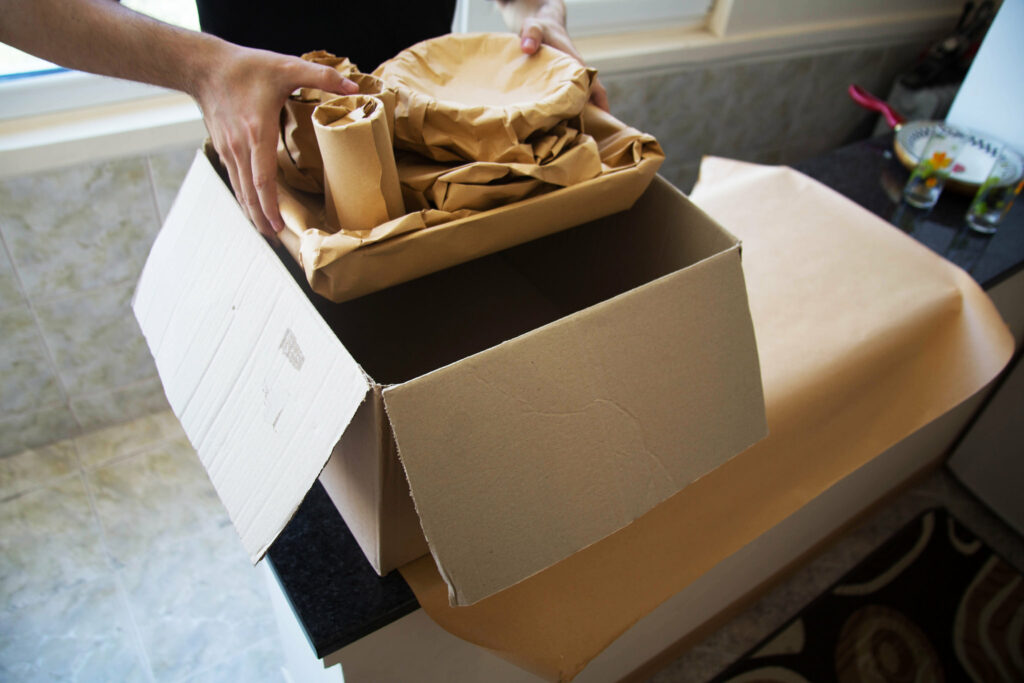 What are the packing and moving supplies you’ll need? Right off the top of your head, the first few obvious items are – boxes, tape, and plastic wrap. But, trust the pros when they say you need a lot more. Should you start to search around online or in physical stores, you’ll come across a mind-boggling array of packing supplies. If you’re wondering if you really need to invest in them and what they do, here’s a comprehensive guide. It will help you take the mystery out of the packaging, so you end up buying only what you absolutely need. Ready to dive in? Schedule Your Move Today
Hire Movers or Pack Yourself: What’s the Best Choice?
You can deal with the packing in two ways–rely on the moving crew to handle it. Or, manage the project yourself with family and friends to help. If you assign the entire task to the movers, they will bring in all the materials and box your belongings. But, that might raise your moving budget since the crew will dedicate all that extra time. Collecting the packing materials and having the boxes packed and good to go can translate into significant savings. Also, you can scout around for economical and discounted supplies if you start packing well ahead of time.
First Things First: Gathering Your Moving Boxes
Among the fundamental packing supplies you’ll need, are boxes of different shapes and sizes. Start off by requesting your friends to collect and set aside the boxes they have or get. For instance, boxes that bring your Amazon or any other online shopping. You could also visit the local grocery store or supermarket and request any spare packing cases. Several websites now sell you used boxes at low prices. You can always return them when you’re unpacked and sorted. An even better option is to hire them at reputable sites. This one’s a great idea for our eco-conscious customers who want to cut back on waste. An added advantage is that you can hold on to them for as long as you want. In case you don’t have the time to unpack entirely right away, you won’t have to worry about the charges.
Why You Need More Packing Tape Than You Think
When purchasing packing tape, make sure to invest in high-quality products even if they are pricier. Not only will you need tape to seal full boxes, but it also comes in handy when bundling objects. That’s how you’ll prevent them from shifting around in the box or bumping into each other during the transit. Aside from the regular packing tape, your list of packing supplies should also include painters or masking tape. You can use it to bind together objects like cutlery and tape drawers shut, so they don’t keep opening. The benefit of masking tape is that the adhesive is not that strong. So you won’t have to worry about damaging surfaces and ruining the paint or polish when you take it off. While you’re at it, you might want to throw in a dispenser.
Keep Your Fragile Items Safe with Bubble Wrap
This one’s a no-brainer and an essential on your list of packing supplies. You’re going to need lots of bubble wrap to pack fragile things like chinaware, mirrors, glass things, and other breakable stuff. Once you’ve layered with bubble wrap, use your clothing for added protection. For instance, t-shirts, sweaters, comforters, and couch blankets are great for securing against damage. You could also pile on the kids’ plush toys to prevent shifting during the move. Add some tape and you’re sorted.
The Many Uses for Moving Supplies Plastic Wrap
Make sure to purchase a couple of rolls of plastic wrap. You’re going to need it for wrapping couches and other furniture. Place a layer of moving blankets and hold them in place with the wrap. A sturdy roll of plastic wrap has several other uses. Like, for instance, securing a stack of plates before placing them into boxes. Covering up your bubble wrap layer with plastic wrap will ensure that the cushioning stays in place. For instance, when wrapping a dresser with drawers or your cooktop, washer, and dryer. You’ll keep your appliances protected from accidental scratches and dents.
Why Professional Movers Use Plastic Wrap
When you see professional movers at work, you’ll almost always see them using large rolls of plastic wrap. This isn’t the same flimsy stuff you use for leftovers in your kitchen. Moving-grade plastic wrap, often called stretch wrap, is a thick, durable, and slightly sticky plastic sheet designed to cling to itself. Its main job is to bundle items together and provide a protective layer against dirt, dust, and moisture. Professional movers rely on it to keep moving blankets securely in place on furniture, prevent drawers from sliding open, and protect upholstered items from getting snagged or dirty during transit. It’s an indispensable tool for an efficient and damage-free move.
Choosing the Right Kind of Plastic Wrap
Investing in the right kind of plastic wrap can save you a lot of headaches and even money. High-quality moving wrap is strong enough that you won’t need to use excessive amounts, and its self-adhering nature can reduce your reliance on packing tape for certain tasks. When shopping for moving supplies, look for wrap that is specifically labeled for moving or shipping. It will be thicker and more puncture-resistant than food-grade wrap, ensuring it can stand up to the rigors of being loaded onto and off of a truck. A good roll will feel substantial and have a consistent stretch without tearing easily.
Understanding Moving-Grade Wrap
The key difference between kitchen wrap and moving wrap is strength and thickness. Kitchen plastic wrap is thin and tears easily, making it completely unsuitable for securing a heavy dresser or protecting a sofa. Moving-grade stretch wrap is much thicker and designed to be pulled taut without breaking. This strength is what allows it to hold heavy moving blankets in place, bundle awkward items together, and provide a meaningful barrier against scratches and scuffs. Using the wrong type of wrap is a recipe for frustration and potential damage to your belongings.
Estimating How Much You Need
It’s always tricky to guess exactly how much you’ll need, but a good rule of thumb can prevent a last-minute trip to the store. For a small one-bedroom apartment, one or two large rolls of stretch wrap should be sufficient. If you’re moving from a larger home, such as a three or four-bedroom house with more furniture, you’ll likely need closer to four or five rolls. It’s always better to have a little extra on hand than to run out halfway through packing your most valuable furniture.
Proper Wrapping Techniques
Using stretch wrap effectively is a skill, but it’s one you can easily learn. The goal is to create a tight, secure layer of protection that won’t unravel during the move. Proper technique ensures your furniture is fully protected and that the wrap itself doesn’t cause any issues. It’s about applying even tension and overlapping the layers to create a strong, cohesive shell around your items. With a little practice, you’ll be wrapping like a pro in no time.
Get a Helper
Wrapping large pieces of furniture is much easier and more effective with a partner. One person can hold the item steady or hold a blanket in place while the other person walks around with the roll of plastic wrap. This teamwork prevents the item from shifting, allows you to get a much tighter wrap, and speeds up the process significantly. Trying to wrap a large sofa or dresser by yourself can be awkward and often results in a loose, ineffective covering.
Step-by-Step Wrapping Guide
Start by anchoring the end of the wrap to a part of the furniture, like a table leg or the bottom corner of a cabinet. Once it’s secure, begin walking backward around the item, letting the roll unwind as you go. Keep the wrap pulled tight to create good tension. Overlap each layer by about half to ensure there are no gaps. For maximum stability, wrap the item both horizontally and vertically. This cross-hatching pattern ensures everything is held securely from all angles.
Important Safety Warnings and How to Prevent Damage
While plastic wrap is an amazing moving tool, using it incorrectly can lead to damaged furniture or even minor injuries. The material is designed to be strong and to stick, but those same properties can cause problems if you’re not careful. Understanding the potential risks and how to avoid them is key to using stretch wrap successfully. From protecting your hands to preventing moisture damage, a few simple precautions can make all the difference in keeping your belongings—and yourself—safe.
Protect Your Hands from Burns
As you pull the wrap from the roll, the core can spin very quickly. The friction created between the spinning roll and your stationary hands can cause a painful burn, similar to a rope burn. To avoid this, it’s a great idea to wear a pair of work gloves while you’re wrapping. This simple step provides a protective barrier and allows you to maintain a firm grip without risking injury.
Avoid Damaging Wood and Leather Surfaces
Never apply plastic wrap directly to wood or leather furniture. The plastic can trap condensation, leading to moisture damage, or it can react with certain finishes and lacquers, causing them to become sticky or discolored, especially in extreme heat. Always place a protective layer of moving blankets or furniture pads over the item first. Then, use the plastic wrap to hold the blankets securely in place. This is one of the most important packing tips for preserving your furniture.
Prevent Mold on Soft Furniture
When wrapping upholstered items like sofas and mattresses, especially if they are going into storage, be careful not to create an airtight seal. Trapped moisture and a lack of airflow can lead to mold and mildew growth. To prevent this, leave a few small areas at the top and bottom of the item unwrapped. This allows air to circulate and any moisture to escape, keeping your furniture fresh and clean until you’re ready to unwrap it.
Don’t Wrap Too Tightly
While you want the wrap to be taut, pulling it too tight can cause damage. Excessive tension can put stress on delicate parts of your furniture, potentially snapping off table legs or crushing the corners of inexpensive, flat-pack items. Apply firm, consistent pressure, but be mindful of the structural integrity of what you’re wrapping. The goal is to secure, not to constrict.
Additional Uses for Stretch Wrap
Plastic wrap’s usefulness extends far beyond just covering large furniture. Its ability to bundle and secure makes it a versatile tool for organizing many of the loose ends that come with packing up a home. Think of it as a giant, heavy-duty rubber band that can help you manage all sorts of odds and ends. From keeping small parts with their corresponding furniture to making awkward items easier to carry, you’ll find plenty of creative uses for that extra roll of wrap.
Bundle Long or Awkward Items
Stretch wrap is perfect for bundling together long, awkward items that don’t fit neatly into a box. Think about things like curtain rods, brooms, mops, and garden tools. Wrapping them together creates a single, manageable bundle that is much easier to carry and load onto the moving truck. This prevents them from rolling around and potentially damaging other items during transit.
Secure Rugs, Cords, and Moving Parts
Use plastic wrap to keep a rolled-up area rug from unrolling itself. It’s also great for securing the electrical cords to the back of appliances so they don’t drag or get tangled. For furniture with moving parts, like dressers or filing cabinets, a few layers of wrap around the unit will keep the drawers from sliding open while being carried. This simple step can prevent a lot of hassle and potential accidents on moving day.
When to Use Alternatives to Plastic Wrap
As useful as it is, plastic wrap isn’t the solution for everything. For delicate surfaces that need to breathe or require more cushioning, other materials are a better choice. Moving blankets and furniture pads are the best option for providing a soft, protective layer over wood, leather, and antique pieces. For smaller fragile items, bubble wrap offers superior impact protection. Knowing when to use plastic wrap and when to reach for an alternative is the mark of a smart packer.
Organize Small Items Easily with Ziploc Bags
Self-sealing zip-lock bags are a blessing and indispensable on your list of packing supplies. When you’re moving house, you’ll have a myriad of small objects that need to be carefully segregated, so they don’t get lost. Think small screws, knobs, handles, and little bits and pieces leftover from when you dismantle the furniture and appliances. You can’t risk losing them since you’ll have to reassemble the furniture later. You’ll also secure valuables like jewelry, cash, and collectibles. Kitchen supplies like spices, open jars of food, and loose cosmetics can all go into separate bags. Unpacking will become a lot easier and you can always reuse the bags.
Label Every Box (You’ll Thank Yourself Later)
An important thing to remember is that when you have your boxes packed and good to go, they’re all going to look exactly alike. Don’t be under the misconception that you’ll remember where you packed everything. Each box will have to carry a label to indicate the specific items it carries. If you can tape a list to the top, that’s even better. But, to maintain privacy, number the boxes instead and save a list on your phone. You can, however, use markers to write down the room where the box will go. “Kitchen,” “Bedroom,” “Dining Room,” and “Kids’ Room” are good starting points. Although it may seem tedious, replicate the marking on all five sides of the box. You’ll save time flipping them around to read labels. Watch this space for more information on how to collect the essential materials for your move. We will be posting nee information for added materials you should get. Whether you’re moving short distances like within the city and hiring Los Angeles movers. Or moving across the state of California, having these packing supplies will make the process smoother and quicker. For more information about moving supplies or a quick quote, we invite you to call this number: (888) 931-Move(6683). At Starving Students, we have consultants on standby waiting to answer all your queries. Remember, We put our hearts into every move!
Frequently Asked Questions
Is it really necessary to buy special moving wrap, or can I just use the plastic wrap from my kitchen? Think of it like this: you wouldn’t use a butter knife to chop down a tree. While they’re both technically “knives,” they have completely different jobs. Kitchen wrap is designed to be thin and easy to tear, perfect for covering a bowl. Moving-grade stretch wrap is an industrial-strength material made to be pulled tight without breaking. It’s what gives your furniture the durable, protective shell it needs to survive the bumps and scrapes of a move.
You mentioned not putting plastic wrap directly on wood or leather. What’s the best way to protect these items? This is such an important step for keeping your furniture in great shape. The best practice is to first cover the entire piece with a moving blanket or furniture pad. This soft layer provides cushioning and allows the surface to breathe. Once the blanket is in place, use the plastic stretch wrap to hold it on securely. The wrap’s job here is to keep the protective blanket from slipping off during transit.
I’m trying to save money. What are the absolute must-have packing supplies I can’t skip? If you have to narrow it down to the bare essentials, focus on three key items. First, get sturdy boxes, which you can often find for free at local stores if you ask. Second, invest in good quality packing tape; cheap tape that doesn’t stick will only cause frustration and broken boxes. Finally, get at least one roll of stretch wrap to secure furniture drawers and bundle awkward items together, which will save you a lot of hassle on moving day.
What’s the best way to keep track of all the small parts like screws and TV cords when I’m packing? This is where Ziploc bags and a marker become your best friends. As you disassemble furniture, put all the screws, bolts, and hardware for that specific item into a labeled bag. For example, “Bookcase Screws.” You can then tape this bag securely to the largest piece of the furniture it belongs to. For cords, you can either use stretch wrap to bind them and secure them to the back of the electronic device or use painter’s tape, which won’t leave a sticky residue.
My furniture isn’t that valuable. Do I still need to wrap it? Wrapping furniture isn’t just about protecting expensive antiques. It’s about making the entire move smoother and preventing minor damage that can be a major headache. Wrapping a dresser keeps the drawers from flying open when it’s carried. Wrapping a sofa keeps it from getting dirty or snagged on a doorway. It also protects your walls and floors from scuffs. Think of it as a simple step that prevents a lot of potential problems for both your belongings and your home.
Key Takeaways
- Wrap Furniture the Smart Way: Always place a moving blanket over wood and leather pieces before using plastic wrap. The wrap’s job is to hold the protective blanket in place, preventing moisture from getting trapped and damaging sensitive surfaces.
- Don’t Skimp on the Small Supplies: A smooth move relies on more than just boxes. Invest in strong packing tape, bubble wrap for anything fragile, and a set of Ziploc bags to keep track of all the small screws and parts from disassembled furniture.
- Label Everything, Thank Yourself Later: Save your future self a major headache by clearly marking every box with its contents and destination room. Labeling multiple sides means you can identify what’s inside without having to shift the entire stack.
Related Articles
- Suggested Moving Supplies List for Easier & Safer Transportation of Your Belongings – Starving Students Movers
- Moving & Packing Supplies | Starving Students | Complete List from Pros
- How to Wrap a Couch for Moving in 6 Easy Steps

Starving Movers