It’s the end of a long moving day. You’re exhausted, surrounded by boxes, and your child is on the verge of a meltdown. The only thing that will calm them down is their favorite teddy bear, which is currently buried somewhere in the moving truck. This scenario is every parent’s nightmare. Properly planning how to pack stuffed animals for moving can prevent this exact situation. It’s about creating a system to protect these important comfort items while keeping the most-loved ones easily accessible. This guide provides a clear process to sort, clean, and pack every plush friend, ensuring a smoother transition and a more peaceful first night in your new home.
Moving into a new home, especially when you have kids, can be a tough task. Packing their toys is one of the very first things you need to do so that the children can settle down in their new home comfortably. Understanding how to pack stuffed animals for moving without damaging them can be a little bit harder than you might think. Schedule Your Move Today 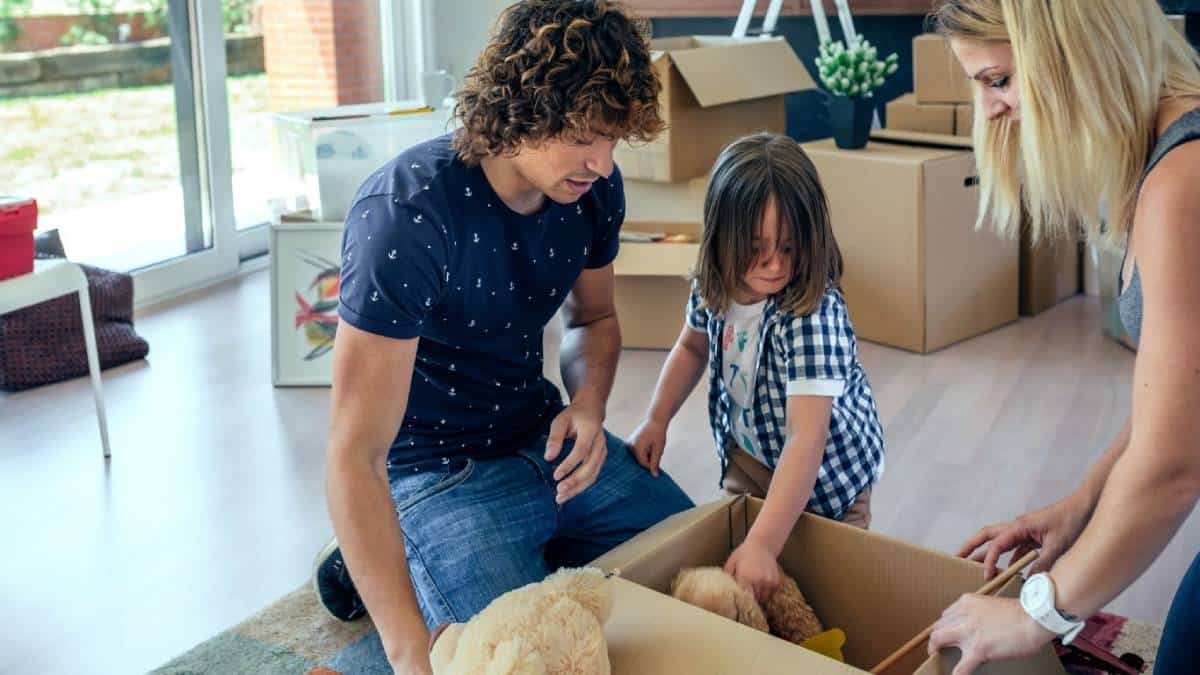 Stuffed animals play a vital role in a child’s life since they are more than just toys. They are best friends that are always there for the kids, ready to listen, be with them, or console them in difficult situations. Most importantly, they are familiar objects in an unfamiliar environment which will make them feel secure.
What You Need to Pack Stuffed Animals
Before you start packing your children’s stuffed animals, make sure you have all the necessary supplies at your disposal. Here’s a list to help you out-
- Packing boxes
- Tapes
- Wrappers (plastic or paper)
- Ziploc bags
- Bubble wraps
- Water-proof bags
- Labels
- Scissors
How to Pack Stuffed Animals
Your kids might feel anxious about moving to a new home, especially if they have lived in their old home for some time. Or, if they have known it as their only home all through their conscious lives. This is why it is important to carry their belongings in an organized way to make it easier for them and also for yourself. The last thing you need is trying to get your three-year-old to sleep without their favorite unicorn at the end of an exhausting day. Follow these steps below to learn how to pack stuffed animals for moving.
Categorize the Toys
When packing stuffed animals for moving, the first step is to check the entire collection of soft toys. Here are the things you should consider while sorting the toys.
Favorite and Not-so Favorite
Identify the ones you can safely get rid of, like toys that are not needed or your kids do not play with anymore. But, tread carefully. Kids have this habit of unexpectedly missing toys they can’t find. Asking your child if they want a toy isn’t going to work. Instead, put away specific toys that have been ignored for a while now. This will help you pack the favorites separately so that you can unpack them first in your new home.
Condition
If you have a large collection of plush toys for your children, chances are high that many of those toys are not in a good condition. It’s better to get rid of those ones, as stuffed animals do take a considerable amount of space. Donating those toys to underprivileged children will make their day, and yours too.
Dry-Clean (If Necessary)
You’ll need to clean some of the plush toys before starting to pack them. Sending the toys to a local dry-cleaner is recommended, but it’ll add to the moving costs. If you don’t have the time to dry clean them, you can use a handheld vacuum cleaner to remove the dust particles, baby spit-up, and bits of food sticking to the fur. Make sure the suction power is set to a minimum to avoid damage to the stuffed animals. Cleaning and drying the toys thoroughly is important just in case you don’t get around to unpacking them right away. If they sit untouched for a while, they could attract mold. Don’t try to rush things and wash the toys in a washing machine. And, check labels for directions on how to maintain them first. Your children won’t be happy to see their favorite toys ruined. Also, don’t forget to pull the batteries out of the stuffed animals that have them. Dry-cleaning the toys with batteries inside may damage them.
Wrap and Pack
By now you should know which toys should be wrapped and packed separately. For starters, bigger toys and your kid’s favorite toys should be segregated. Here are the steps you need to follow to properly wrap stuffed animals-
- Pick the right-sized wrapper
- Place the toy on the wrapper
- Fold the wrapper over the paper, do a double-fold if necessary
- Use tape on the edges and the middle to hold the wrapper together
- Use labels if the wrapper is not transparent
- Put the toy inside a carton
You may also opt for big Ziploc bags instead of regular wrappers. Ziploc bags are usually more secure and don’t need labels since they are transparent. You may also pack stuffed animals for moving in plastic bags, tie the tops, and put them inside the cartons. Once you are done wrapping the toys, put them in cardboard boxes, and seal the boxes with tape. Remember to use labels, or finding the boxes carrying your children’s toys might become difficult when you reach your new home. And, carry the batteries separately in a waterproof bag.
Place the Stuffed Animal Boxes inside the Moving Truck
Even though stuffed animals are not considered that ‘fragile’, you need to make sure nothing heavy is placed over the boxes containing your kid’s plush toys. Stuffed animals are squishy, and they may get deformed if something heavy is placed over them all throughout the drive. You need to place the plush toy boxes over the boxes carrying heavy stuff. You should also let your movers know that these boxes contain squishy toys and don’t want them damaged. It’s one of the basic steps of how to pack stuffed animals for moving.
Step 1: Sort and Declutter
Before you even think about packing tape or boxes, the first step is to figure out which furry friends are making the trip. Over the years, a collection of stuffed animals can grow to an impressive size, and moving all of them might not be practical. Taking the time to sort through the collection now will save you space in the moving truck and time during unpacking. This is also a great opportunity to teach kids about letting go and the joy of donating. Make it a team effort and create a system that makes the process feel organized rather than overwhelming.
Decide What to Keep, Donate, or Discard
If your child is old enough, involve them in the decision-making process. Go through the pile together and create three distinct categories: keep, donate, and discard. The “keep” pile is for the absolute favorites and most cherished companions. For the “donate” pile, select gently used toys that another child would love to have. This can be a wonderful lesson in generosity. The “discard” pile is for toys that are unfortunately beyond repair, are heavily soiled, or have seen better days. Be realistic about what’s worth moving; transporting toys that are no longer played with just adds to the clutter in your new home.
Check for Value and Make Repairs
As you sort, take a closer look at the condition of each stuffed animal. Some might just need a little TLC to be ready for the move. A small tear in a seam or a loose button eye can often be fixed with a simple needle and thread, restoring a beloved toy to its former glory. For any toys that are particularly valuable or sentimental, you’ll want to set them aside for special packing later. This is also the final check for the toys you’ve decided to part with. Donating items that are in good, clean condition ensures they can be immediately enjoyed by their new owners.
Step 2: Clean and Prepare the Toys
Once you’ve narrowed down the collection, it’s time to get everything clean and ready for packing. Packing clean toys means you won’t be bringing dust, allergens, or grime into your new space. It also means your child’s favorite buddies will be fresh and ready for snuggles as soon as you unpack them, which can be a huge comfort during the transition. A little prep work now prevents a big cleaning job later when you’re already busy settling in. This step is crucial for ensuring the toys arrive in the best possible condition, whether they’re going straight to a new bedroom or into storage for a while.
Washing and Drying Methods
Always check the care label on a stuffed animal before you attempt to wash it. Many modern plush toys are machine washable, but some older or more delicate ones may require hand-washing. Use a gentle cycle and a mild detergent. For extra protection, you can place them inside a mesh laundry bag or a pillowcase. The most important part of the cleaning process is ensuring the toys are one hundred percent dry before you pack them. Any lingering moisture can lead to mold or mildew, so air-dry them completely or use a low-heat setting on your dryer if the label permits.
Remove Batteries from Electronic Toys
For any stuffed animals that talk, sing, light up, or move, it’s essential to remove the batteries before packing. This simple step prevents a few potential headaches. First, it stops the toys from accidentally turning on and making noise inside a box during transit, which can be both startling and a drain on the battery. More importantly, it protects the toys from damage. Batteries can leak and corrode over time, especially with temperature changes, and the resulting chemical residue can permanently ruin the electronic components and the surrounding fabric. Place the removed batteries in a separate, clearly labeled plastic bag.
Step 3: Choose Your Packing Method
With your stuffed animals sorted, cleaned, and prepped, you’re ready for the final step: packing them safely. The method you choose will depend on the number of toys you have and how much space you can spare. While stuffed animals aren’t as fragile as glassware, they can still be squashed, misshapen, or get dirty if not packed correctly. Using the right materials and techniques will protect them from moisture, dust, and pests during the move. If the thought of packing yet another box feels like too much, remember that professional packing services can be a lifesaver for busy families.
Using Boxes, Bags, and Other Containers
Cardboard boxes are a classic choice, but you’ll want to line them with packing paper or a clean plastic bag first to create a barrier against dust and moisture. Another popular option is using new, sturdy plastic trash bags. They are lightweight and can be squeezed into empty spaces in the moving truck. Just make sure the toys are completely dry before sealing them in plastic. For extra-special or delicate stuffed animals, consider placing them in their own smaller box or wrapping them individually in acid-free tissue paper to preserve their condition and shape during the move.
How to Save Space with Vacuum Sealing
If you’re short on space, vacuum-seal bags can seem like a miracle. These bags allow you to suck all the air out, compressing a large pile of plush toys into a small, dense package. However, use this method with caution. The intense compression can permanently alter the shape and crush the stuffing of some toys, especially older ones with natural fibers or more structured forms. Vacuum sealing is best reserved for newer, durable toys with synthetic stuffing that are more likely to bounce back to their original fluffy state after being unpacked.
Labeling for an Easy Unpacking Process
Don’t skip this final, crucial step. Clearly label every box or bag of stuffed animals. Use a permanent marker to write the contents (e.g., “Stuffed Animals”) and the destination room (e.g., “Chloe’s Bedroom”) on the top and sides of each box. If you have multiple boxes of toys, you might want to be more specific, like “Favorite Stuffed Animals” for the box you plan to open first. This simple act of labeling will save you from a frantic search for a specific teddy bear at bedtime on your first night in the new house.
Packing Stuffed Animals for Long-Term Storage
Sometimes, a move requires placing items in storage for a while. If your child’s stuffed animal collection isn’t coming directly to your new home, the packing strategy needs to be a bit different. Long-term storage exposes items to risks like temperature fluctuations, humidity, and pests, which can cause irreversible damage over time. Protecting these sentimental items requires more durable solutions than a standard cardboard box. Investing in the right materials and a proper storage environment is key to ensuring the toys come out looking just as good as they did going in. Many moving companies offer integrated moving and storage solutions to make this process seamless.
Choose the Right Containers
When it comes to long-term storage, ditch the cardboard boxes and plastic bags. Cardboard can attract pests and absorb moisture, leading to mildew, while thin plastic bags offer minimal protection. Instead, opt for sturdy, airtight plastic storage bins with secure latching lids. These containers create a formidable barrier against dust, water, and critters. They are also stackable, which helps maximize space in your storage unit. Choose bins that are appropriately sized for the toys to avoid having too much empty space or crushing them by over-packing.
Protect Toys from Moisture and Pests
Even inside a plastic bin, moisture can be a threat. Before sealing the lid, consider adding a desiccant packet, like silica gel, to absorb any ambient humidity and keep the environment inside the container dry. This is an inexpensive way to add an extra layer of protection against mold and musty odors. Make sure the lids on your plastic tubs are snapped on tightly to create a solid seal. This will be your best defense against pests looking for a cozy place to nest, ensuring the toys remain clean and undamaged until you’re ready for them.
Find a Suitable Storage Environment
Where you store the stuffed animals is just as important as how you pack them. A garage, attic, or basement might seem convenient, but these spaces often experience extreme temperature swings and high humidity, creating a damaging environment. The best option for long-term storage is a climate-controlled storage unit. These facilities maintain a consistent temperature and humidity level year-round, which is ideal for preserving delicate items like stuffed animals. This stable environment prevents the growth of mold and mildew and protects the fabric and stuffing from deteriorating over time.
Bonus Tips
Use Soft Toys for Securing Other Toys
Your children’s other toys can be packed between the plush toys. Place stuffed animals inside plastic bags and secure the tops. Arrange them in the gaps to stop the other toys from colliding with each other. In this way, all of the toys will be safe and undamaged.
Don’t Pack Literally Everything
Remember, moving is difficult for your children as well. They have to get accustomed to an entirely new environment and make new friends leaving their old ones behind. Letting them have their favorite plush toy during the move can help reduce that stress. Before you begin packing, declutter your life to make moving day as affordable and stress-free as possible. Here are six professional ideas for decluttering before moving day!
Traveling with Large Stuffed Animals
Getting an extra-large teddy bear or a life-sized unicorn to your new home requires a bit of planning, especially during a long-distance move. If you’re driving, you can secure the oversized toy in a seat with a seatbelt or place it in a large, clean bag. This keeps it from flying forward during a sudden stop and ensures your child’s favorite friend is ready for cuddles at rest stops. For air travel, it’s crucial to check the airline’s policy on oversized items beforehand. Some may allow a large stuffed animal as a carry-on, while others might require it to be checked, which could involve extra fees.
To save precious space, you might be tempted to use a vacuum-seal bag. This can be a great solution, but proceed with caution. The intense compression can sometimes permanently flatten the stuffing and alter the toy’s shape, which could be heartbreaking for your little one. Whichever method you choose, always make sure the stuffed animal is clean and completely dry before it’s packed away for the journey. This simple step prevents musty smells or mildew from developing while it’s in transit, ensuring it arrives fresh and ready for snuggles.
Common Mistakes to Avoid When Packing Stuffed Animals
Now that we’ve covered some of the tips for packing your kids’ favorite friends, let’s talk about some of the don’ts.
- Art supplies, paints, crayons, and other things should always go into a separate box. Accidents happen when you least expect them.
- Sealing each stuffed toy bag is always advisable, so they don’t attract dirt and unknown odors. Kids are very sensitive to scents and want their toys to smell like they know them.
- Don’t try to squeeze in too many plush toys in one box.
We’re Here to Help!
Moving with your children and their large collection of stuffed animals? No need to worry or stress; let us help! Starving Student Movers is an affordable moving company with 45+ years of experience and trust. We can help you move locally or across the country at the most reasonable prices. Call (888) 931-Move(6683) today to book us or get a free quote!
Final Thoughts
Soft and favorite toys can be your best friends when moving house. Always pack them up last. Put your kids with their toys and a couple of empty cartons in an empty room that you’ve already cleared up. You could also add their sippers and a few snacks. Gather up the kids and their things, last of all, when you’re ready to leave. When you reach your destination, clean up a room, and set out all that final paraphernalia you packed. Your kids may not notice the different environment when they’re playing, and you’ll have time to get other stuff settled in. Unpacking your child’s playroom in your new home can be a daunting task. But it can be a lot easier when toys are properly arranged beforehand. So, collect their favorite belongings and organize them properly to make the move easier. Also Read: Should you tip your movers after paying for their services? learn through our complete guide to find out why and how much you should tip movers for a local or long-distance move.
Packing Dirty or Damp Toys
It can be tempting to toss toys directly into a box to speed things up, but packing them while they’re dirty or even slightly damp is a recipe for disaster. If your move gets delayed or you don’t get around to unpacking that box right away, moisture can get trapped inside. This creates the perfect environment for mold and mildew to grow, which can ruin your child’s favorite companions and leave them with a musty smell that’s impossible to get out. Before packing, make sure every stuffed animal is completely clean and 100% dry. If you’ve recently washed them, let them air dry in the sun or use a hairdryer on a low setting to ensure no moisture is left behind.
Using the Wrong Materials for Long-Term Storage
The materials you use for a direct move might not be suitable if the toys are heading into storage for a while. While cardboard boxes and plastic bags are fine for a short trip, they aren’t ideal for the long haul. Cardboard can attract pests and absorb moisture, while plastic bags can trap humidity, leading to mold. If you’re planning on using a moving and storage service, invest in airtight plastic bins instead. For extra protection, you can wrap each toy in a few sheets of acid-free paper, which helps absorb any lingering moisture in the air and keeps the fabric safe over time.
Forgetting to Remove Batteries
There are two big reasons to remove batteries from any toys that talk, sing, or light up. The first is to avoid a surprise concert in the back of the moving truck. The second, and more important, reason is to prevent damage. Over time, especially when exposed to temperature changes, batteries can leak corrosive acid. This acid can permanently destroy the toy’s electronic components and even seep out to damage other items packed in the same box. Make it a non-negotiable step in your packing tips checklist: before any electronic toy goes into a box, open the battery compartment and take the batteries out. You can store them in a separate, clearly labeled bag.
Frequently Asked Questions
How should I pack the one special stuffed animal my child absolutely cannot live without? That one doesn’t get packed in a box at all. The most important comfort toy should travel with your child or in your personal “first night” bag. Keep it with their pajamas, a toothbrush, and a favorite book. This ensures their best friend is immediately available for comfort during the trip and on that crucial first night, which can prevent a lot of stress for everyone.
Are vacuum-seal bags really a good idea for packing stuffed animals? They can be a fantastic space-saver, but you should use them selectively. Vacuum sealing is best for newer, sturdy plush toys with synthetic stuffing that will bounce back to their original shape. For older, more delicate, or sentimental toys, the intense compression can permanently flatten their filling and ruin their form. If you’re unsure, it’s best to stick with a regular box or bag for the most cherished friends.
What’s the best way to clean stuffed animals that aren’t machine washable? If the care tag prohibits a machine wash, you can still get them clean. For a general refresh, place the toy in a large bag with a cup of baking soda. Shake it vigorously and let it sit for about 20 minutes. Then, take the toy out and thoroughly vacuum off the powder using a brush attachment. For small spots, you can gently dab the area with a damp cloth and a tiny amount of mild soap.
My child is having a hard time letting go of any toys. How can I help them declutter? This is completely normal, and it’s important to be patient. Instead of focusing on what to get rid of, frame it as choosing the “VIPs” for the move. Ask your child to pick their absolute favorite toys that will travel in a special, clearly marked box. For the others, you can talk about giving them a new mission to make another child happy. Donating them can feel more like a positive act of sharing rather than a loss.
What’s the most efficient way to pack a large collection without using tons of boxes? Think of your stuffed animals as soft, protective packing material. After you’ve cleaned them and placed them in large plastic bags to keep them pristine, you can use them to fill empty spaces in boxes with other non-fragile items. They are perfect for cushioning boxes of clothes, linens, or plastic toys, preventing items from shifting around while also saving you space.
Key Takeaways
- Sort and Clean Before You Pack: Save space by deciding which toys to keep, donate, or discard. Always wash and thoroughly dry the keepers to prevent mold and ensure they arrive fresh and ready for snuggles.
- Keep Comfort Items Close: Pack your child’s most cherished stuffed animals in a separate, clearly labeled box that travels with you or is loaded last. This ensures their favorite friend is easily accessible to prevent bedtime stress on moving day.
- Use the Right Materials for the Job: Protect toys by removing batteries from electronic ones to prevent leaks. For long-term storage, use airtight plastic bins instead of cardboard boxes to guard against moisture, pests, and mildew.
Related Articles
- How to Pack Stuffed Animals for Moving: A Simple Guide
- Get Packing Tips from Movers with Over 50 years Experience – Starving Students Movers
- The Ultimate Guide to a Seamless Moving Day
- How to Pack Fragile Items Safely | Starving Students Moving Tips

Starving Movers