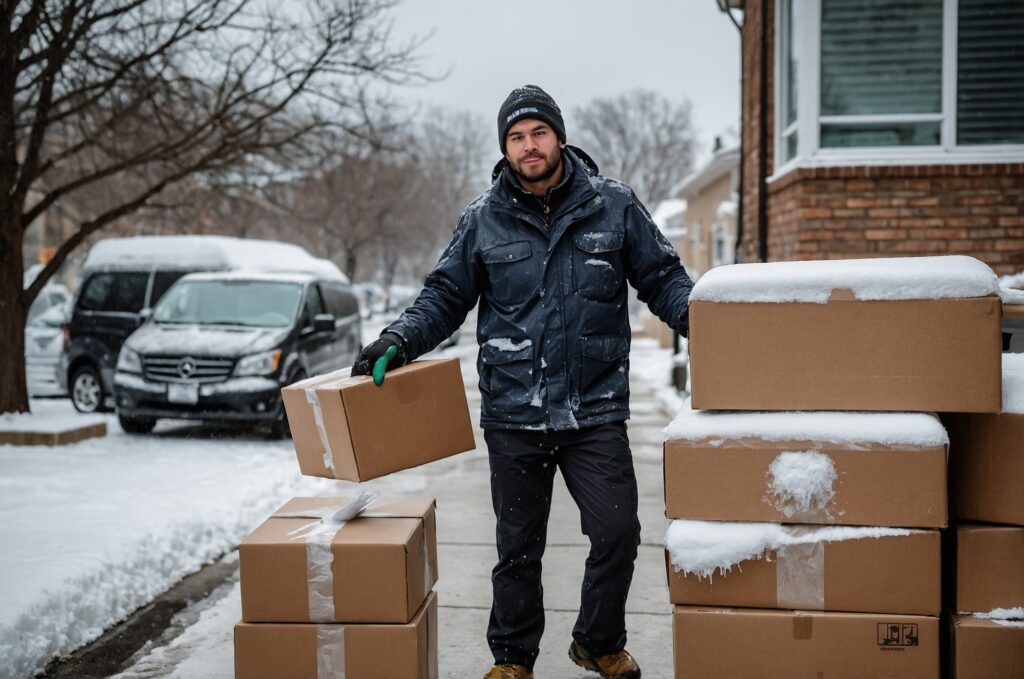
While most people prefer to move during spring and summer months, circumstances sometimes require winter relocations. Moving in winter presents unique challenges that can significantly impact costs, timelines, and logistics. From weather delays and equipment failures to higher moving rates and safety concerns, winter moves require extra planning and preparation. Understanding these challenges and associated costs helps you budget appropriately and make informed decisions about your winter relocation.
Why Winter Moving Costs More
Winter moving typically costs 10-20% more than summer moves, though extreme weather conditions can drive costs even higher. Moving companies face increased operational expenses during winter months that get passed on to customers through higher rates and additional fees.
Equipment maintenance costs skyrocket during winter months. Moving trucks require winter tires, chain installations, and more frequent mechanical maintenance in harsh conditions. Hydraulic systems can fail in extreme cold, and diesel fuel requires additives to prevent gelling. These operational challenges translate directly into higher moving costs.
Labor costs increase substantially during winter moves. Workers require additional safety equipment, frequent breaks for warmth, and hazard pay for dangerous conditions. Productivity decreases significantly when movers must navigate icy walkways, clear snow from pathways, and handle equipment with gloved hands. The combination of slower work pace and higher labor rates can increase total moving costs by 25% or more.
Insurance and liability expenses also contribute to higher winter moving costs. Moving companies face increased risk of accidents, property damage, and worker injuries during winter operations. These elevated risks result in higher insurance premiums and potential liability claims that influence pricing structures for winter moves.
Weather-Related Delays and Complications
Weather delays represent the most significant challenge of winter moving, often causing cascading problems that extend far beyond the initial postponement. Snowstorms, ice storms, and extreme cold can halt moving operations entirely, forcing rescheduling that may push your move days or weeks into the future.
Road conditions frequently become impassable for large moving trucks, even when passenger vehicles can navigate safely. Moving companies prioritize driver and cargo safety, meaning they’ll cancel moves for conditions that might not seem prohibitive to homeowners. Interstate moves face additional complications when weather conditions vary dramatically between origin and destination locations.
Temperature extremes affect both equipment and cargo during winter moves. Moving truck hydraulics can freeze, preventing proper operation of lift gates and ramps. Electronic items and plants become vulnerable to cold damage, while some materials become brittle and prone to breakage in sub-zero temperatures.
Visibility issues during winter storms create safety hazards that responsible moving companies won’t risk. Heavy snow, freezing rain, or fog can make driving conditions too dangerous for large vehicles carrying valuable cargo. These weather events often develop quickly, sometimes catching moving crews mid-journey and forcing them to seek shelter until conditions improve.
Safety Hazards and Liability Issues
Slip and fall accidents increase dramatically during winter moves, creating significant liability concerns for both moving companies and homeowners. Ice-covered walkways, snow-hidden obstacles, and wet surfaces from tracked-in snow create treacherous conditions for workers carrying heavy items.
Property damage risks escalate during winter moves due to challenging working conditions. Movers wearing bulky winter clothing and gloves have reduced dexterity and mobility, increasing the likelihood of dropping items or bumping into walls and doorframes. Salt and de-icing chemicals tracked into homes can damage flooring and carpets.
Equipment failures become more common in cold weather, potentially endangering workers and cargo. Hydraulic systems, batteries, and mechanical components all perform poorly in extreme cold. When equipment fails during a move, alternative solutions often involve manual lifting and carrying that increases injury risk.
Homeowner liability increases during winter moves because property owners are responsible for maintaining safe access to their homes. Failure to clear snow and ice from walkways, driveways, and entryways can result in accidents that leave homeowners liable for medical expenses and damages. Many moving companies require customers to provide safe access or they’ll refuse to proceed with the move.
Limited Moving Company Availability
Many moving companies reduce their operations during winter months, creating a supply and demand imbalance that drives up costs and limits scheduling flexibility. Smaller moving companies may suspend operations entirely during the worst winter months, while larger companies often limit service areas and reduce crew sizes.
Peak winter moving periods, particularly around the holidays and at month-end, see extremely limited availability. New Year’s moves are especially challenging because many moving companies shut down operations between Christmas and New Year’s Day. End-of-year corporate relocations compound the problem by competing for the limited moving resources available.
Quality moving companies book up quickly during winter months because customers recognize the value of experienced winter movers. Companies with good safety records and proper winter equipment command premium rates and may not have availability on short notice. Budget moving companies that operate during winter often lack proper equipment and experience, creating higher risk for property damage and delays.
Geographic limitations become more pronounced during winter months. Moving companies may refuse to service certain routes known for dangerous winter conditions, such as mountain passes or areas prone to severe storms. Rural areas often lose moving service entirely during winter months, forcing residents to either delay moves or pay substantial premiums for specialized service.
Preparation Requirements and Extra Costs
Winter move preparation requires additional time, effort, and expense beyond typical moving preparations. Snow and ice removal becomes a daily necessity leading up to your move, and may require professional services if accumulation is significant. Pathway maintenance, including salt application and snow clearing, must continue throughout the moving process.
Protective materials cost more and are essential during winter moves. Waterproof covers, additional blankets, and plastic sheeting protect belongings from snow and moisture. Temperature-sensitive items require special handling and climate-controlled transport, which significantly increases moving costs. Electronics, artwork, and plants need extra protection from cold damage.
Utility coordination becomes more complex during winter moves. Heating service must continue at your old home until the last possible moment to prevent pipes from freezing, while new home utilities need activation before arrival to avoid cold-related damage. Timing utility transfers requires more precision during winter months, and mistakes can be costly.
Emergency supplies and backup plans require additional investment during winter moves. Generators, space heaters, extra blankets, and emergency food supplies become necessities rather than conveniences. These items add to moving costs but provide essential security during weather-related delays or utility problems.
Protecting Your Belongings from Cold Damage
Cold temperatures can damage many household items that remain perfectly safe during warm-weather moves. Electronics become brittle and susceptible to damage when exposed to freezing temperatures. Laptop screens, television displays, and smartphone screens can crack from temperature shock when moved from warm indoor environments to freezing outdoor conditions.
Liquid-containing items pose freezing risks that can cause permanent damage. Paint, cleaning supplies, cosmetics, and beverages can freeze and expand, bursting containers and creating messes that damage other belongings. These items require heated transport or special handling that increases moving costs.
Wooden furniture and musical instruments are particularly vulnerable to winter moving conditions. Rapid temperature and humidity changes can cause cracking, warping, and finish damage. Piano moves during winter require climate-controlled transport and professional tuning after arrival, adding hundreds of dollars to moving costs.
Fabric items and upholstery can suffer moisture damage from condensation when moved between different temperature environments. Mattresses, sofas, and clothing can develop mold and mildew problems if not properly protected during winter moves. Professional-grade moisture barriers and climate control become essential rather than optional.
Vehicle and Equipment Challenges
Moving trucks face significant mechanical challenges during winter operations that can delay or halt moves entirely. Diesel engines require longer warm-up periods and may refuse to start in extreme cold. Hydraulic lift gates become sluggish or non-functional in freezing temperatures, forcing manual loading and unloading that increases time and labor costs.
Tire and traction issues create safety concerns and potential delays during winter moves. Large moving trucks require specialized winter tires or chains for safe operation in snow and ice conditions. These equipment requirements add costs and may limit the routes moving companies are willing to travel.
Battery performance decreases significantly in cold weather, affecting both moving trucks and equipment. Dead batteries can strand moving crews and delay operations for hours while replacement batteries are located. Smart phones, tablets, and other electronic devices used for coordination also suffer battery drain in cold conditions.
Fuel consumption increases substantially during winter moving operations. Trucks require more fuel for heating, longer idle times for warm-up, and inefficient operation in cold conditions. Diesel fuel additives prevent gelling but reduce fuel efficiency. These factors combine to increase transportation costs that get passed on to customers.
Strategies to Minimize Winter Moving Costs
Flexible scheduling provides the best opportunity to reduce winter moving costs. Avoid peak periods like holidays, month-end, and severe weather forecasts. Mid-week moves typically cost less than weekend moves, and the savings become more pronounced during winter months when availability is limited.
Preparation and proactive planning can significantly reduce weather-related delays and additional costs. Monitor weather forecasts closely and maintain clear communication with your moving company about potential schedule changes. Have backup dates available and be prepared to move quickly when weather windows open.
Decluttering becomes more valuable during winter moves because reduced cargo means faster loading times and less exposure to harsh conditions. Fewer belongings also mean smaller trucks that handle winter conditions better than large vehicles. Consider donating or selling items rather than paying premium winter moving rates to transport them.
DIY preparation can reduce some winter moving costs. Clear your own walkways, apply ice melt, and prepare adequate lighting for early morning or evening loading. Provide warm beverages and indoor break areas for moving crews to maintain productivity and show appreciation for their challenging work conditions.
Insurance and Protection Considerations
Standard moving insurance may not adequately cover winter-specific damages like cold damage to electronics or moisture damage from snow infiltration. Review your coverage options carefully and consider purchasing additional protection for valuable items that are particularly vulnerable to winter conditions.
Document the condition of your belongings before the move with detailed photos and video. Winter conditions can make it difficult to assess damage immediately, so having clear pre-move documentation becomes crucial for insurance claims. Pay special attention to items known to be vulnerable to cold or moisture damage.
Understand your moving company’s weather delay policies and how they affect your coverage. Some companies limit liability for weather-related delays, while others provide accommodation allowances if delays force you into temporary housing. Clarify these policies before signing contracts to avoid unexpected expenses.
Consider temporary storage insurance if weather delays require storing your belongings. Standard homeowner’s or renter’s insurance may not cover items in temporary storage, especially if delays extend for weeks. Storage facility insurance may not cover cold damage to electronics or moisture damage from heating system failures.
Regional Winter Moving Considerations
Different regions present unique winter moving challenges that affect costs and logistics. Northern states with consistent snow and ice have better infrastructure and more experienced winter movers, but also face longer seasons of challenging conditions. Southern regions may seem easier but often lack proper equipment and experience for occasional winter storms.
Mountain regions present extreme challenges with elevation changes, mountain passes, and rapidly changing conditions. Moving companies may require chain installations, refuse certain routes entirely, or charge substantial premiums for mountain moves during winter months. Alternative routes may add hundreds of miles and days to your move.
Coastal areas face unique challenges from winter storms that combine high winds, heavy precipitation, and temperature fluctuations. Nor’easters can shut down entire regions for days, while West Coast atmospheric rivers create flooding and mudslide risks that halt moving operations.
Urban versus rural considerations become more pronounced during winter moves. Cities typically maintain roads better and have more available services, but also face traffic congestion and parking restrictions that complicate moves. Rural areas may become completely inaccessible during severe weather, but offer more flexibility for large vehicle maneuvering when conditions permit.
Making the Winter Moving Decision
Evaluate whether your winter move is truly necessary or if it can be postponed until more favorable conditions. Job relocations, lease expirations, and home closings sometimes force winter moves, but personal relocations often have more flexibility. The potential cost savings and reduced stress of waiting for spring may outweigh the inconvenience of delayed moving.
Consider partial moving strategies if full relocation during winter isn’t ideal. Essential items and climate-sensitive belongings can move first, while furniture and less critical items wait for better conditions. This approach spreads costs over time but may result in higher total expenses due to multiple moves.
Budget appropriately for winter moving by adding 25-50% to normal moving cost estimates. This buffer accounts for weather delays, additional preparation costs, and premium rates for winter services. Having adequate financial reserves prevents rushed decisions when complications arise.
Moving in winter requires careful planning, realistic budgeting, and flexible expectations. While the challenges and extra costs are significant, successful winter moves are entirely possible with proper preparation and the right moving company. Focus on safety, protection of your belongings, and maintaining realistic timelines. Remember that the weather-related challenges of winter moving affect everyone involved – patience and good communication with your moving team help ensure the best possible outcome despite difficult conditions.
