That delicate porcelain vase from your great-aunt, the sturdy oak desk that’s been in your family for generations—these aren’t just items. They’re pieces of your history. Moving these treasures feels like a high-stakes operation. One wrong move and a piece of your story could be damaged forever. That’s why knowing exactly how to move antiques is so critical. This guide takes the stress out of antiques moving. We’ll give you the practical, step-by-step plan you need to protect your most cherished pieces, whether you do it yourself or hire professional antique movers.
You’ll want to start by assessing the condition of each piece, documenting any imperfections to avoid surprises later.
Choosing the right packing materials is crucial, as improper wrapping can lead to irreversible damage.
But there’s more to consider than just packing; the transportation process itself plays a vital role.
What strategies can ensure your valuables arrive intact? Understanding these aspects can make all the difference in safeguarding your cherished belongings.
Assessing Your Items
Before embarking on your move, it’s crucial to carefully assess each of your antique possessions.
Condition Assessment:
- Thorough Examination: Conduct a thorough examination of each antique piece, paying close attention to its condition.
- Documenting Imperfections: Note any signs of damage, such as scratches, chips, cracks, or discoloration.
- Photography: Take photographs of any existing damage for documentation purposes.
Determining Value:
- Market Research: Research the market value of each antique piece.
- Consult with Experts: Consider consulting with an appraiser or antiques expert for a professional valuation.
- Utilize Online Resources: Explore reputable online resources and auction websites to gain insights into the market value of similar antiques.
Considering Sentimental Value:
- Emotional Significance: Acknowledge the sentimental value of each piece, even if its monetary value is low.
- Prioritize accordingly: Prioritize packing and transporting items with high sentimental value with extra care.
Creating an Inventory:
- Detailed Inventory: Create a detailed inventory of all your antiques, including:
- Item description
- Condition assessment
- Estimated value
- Photographs
- Insurance Purposes: This inventory will be invaluable for insurance purposes in case of any damage during the move.
By taking the time to assess your antiques thoroughly, you can ensure that they are handled with the utmost care during the moving process.
What Qualifies as an Antique?
Before you start wrapping, it helps to know exactly what you’re working with. Generally, an item is considered an antique if it is at least 100 years old. This isn’t just about age; it’s about the historical significance, craftsmanship, and beauty that make the piece valuable. Antiques are often cherished for being in their original condition, which is why they require such careful handling during a move. Understanding that you’re not just moving an old chair, but a piece of history, puts the need for special care into perspective. This distinction is important because it often dictates the level of insurance coverage and the specific packing techniques you’ll need to use to preserve its integrity and value.
Determine the Value of Your Antiques
Knowing the monetary worth of your antiques is a critical step in planning your move. This isn’t about putting a price tag on a sentimental family heirloom; it’s about protecting your investment. An accurate valuation is essential for securing the right amount of insurance and ensuring you can be properly compensated if any damage occurs. It also helps your moving team understand which items require the highest level of care. Without a clear understanding of an item’s value, you risk under-insuring it, which could be a costly mistake. Taking the time to assess the value beforehand gives you peace of mind and a solid foundation for a secure move.
Get a Professional Appraisal
For particularly valuable or rare items, it’s wise to get a professional appraisal. An appraiser can provide official documentation detailing the item’s worth, which is invaluable for insurance claims and your personal records. This formal valuation removes any guesswork and provides a clear, defensible figure should you need it. Think of it as creating a passport for your antique; it officially documents its identity and value, which is essential for planning its journey to your new home. This step is especially important for items you plan to sell in the future or pass down through generations, as it establishes a documented history of its worth.
Purchase Specialized Insurance
Don’t assume your standard moving insurance will fully cover your antiques. Most basic policies offer limited liability coverage, which may not be enough to replace or repair a valuable piece. It’s a good idea to speak with your insurance agent about specialized options. Ask about “in-transit” insurance or a fine arts policy, which are designed to protect high-value items during transport. This extra layer of protection ensures that your cherished belongings are covered for their full appraised value, not just a fraction of it. Investing in the right insurance is one of the smartest moves you can make to safeguard your antiques.
Pre-Move Planning and Preparation
Moving antique furniture requires a different level of planning compared to your everyday household items. Because these pieces are often fragile and valuable, they demand special attention to prevent damage that could diminish their worth and sentimental significance. A successful move starts long before the truck arrives. It begins with careful measurement, creating a clear plan for placement, and properly preparing each piece for the journey ahead. By dedicating time to these preparatory steps, you can significantly reduce the risk of scratches, breaks, or other mishaps. This proactive approach ensures that your historical treasures arrive at your new home in the same condition they left your old one.
Measure Everything in Advance
One of the most common moving day frustrations is discovering that a large piece of furniture won’t fit through a doorway. When that furniture is a delicate, 150-year-old armoire, the problem becomes much more stressful. You can avoid this scenario with some simple foresight. Taking precise measurements of your largest antique pieces, as well as the doorways, hallways, and stairwells in both your current and new homes, is a non-negotiable step. This simple task can save you a world of trouble, preventing potential damage to both your furniture and the homes you’re moving between. It’s all about making sure the path is clear for a smooth transition.
Measure Furniture and Doorways
Grab a tape measure and get to work. Write down the height, width, and depth of each large antique. Then, measure the openings of all relevant doorways and tight corners at your old and new residences. Don’t forget to account for things like doorstops, trim, and light fixtures that might obstruct the path. Having these numbers on hand allows you to plan the best route for each item and inform your movers of any potential challenges. This preparation helps the moving team work more efficiently and safely on moving day.
Create a Floor Plan
Once you know your furniture will fit, the next step is to decide where it will go. Sketching out a simple floor plan for your new home helps you visualize the layout and assign a specific spot for each antique. This is incredibly helpful for the moving crew, as they can place heavy items in their final positions immediately, avoiding the need to move them multiple times. A clear plan reduces handling, which in turn reduces the risk of damage. It also makes the unpacking process much smoother, allowing you to settle into your new space more quickly.
Prepare Your Furniture for the Move
Getting your antiques physically ready for transport is just as important as planning the logistics. Proper preparation involves more than just wrapping items in a blanket; it requires cleaning, disassembling when possible, and considering environmental factors. Each piece has unique needs based on its material, age, and construction. Taking the time to address these needs directly will help ensure your furniture withstands the rigors of the move. This hands-on preparation is your first line of defense against potential damage, setting the stage for a successful and stress-free relocation of your most prized possessions.
Clean and Disassemble Pieces
Before any packing begins, give your antiques a gentle cleaning. Use a soft, dry microfiber cloth to wipe away dust and grime, as debris can be abrasive and cause scratches during the move. If a piece can be safely taken apart—such as removing legs from a table or shelves from a bookcase—it’s a good idea to do so. Smaller, separated parts are much easier to wrap securely and maneuver through tight spaces. This also reduces stress on the joints of the furniture during transit, minimizing the risk of structural damage.
Consider the Climate
If you’re moving to a location with a significantly different climate, be mindful of how temperature and humidity can affect your antiques, especially wooden ones. Wood can swell in high humidity or shrink and crack in dry conditions. To mitigate these risks, you may need to take extra precautions. If you have concerns, it’s best to consult with an expert. An experienced team that handles specialty moves can offer advice on how to acclimate your furniture to its new environment, ensuring its long-term preservation.
Packing Techniques
Once you’ve assessed your antiques, it’s crucial to employ proper packing techniques to ensure their safe transport.
Gather Quality Packing Materials:
- Essential Supplies: Gather high-quality packing materials such as:
- Bubble wrap: For cushioning delicate items.
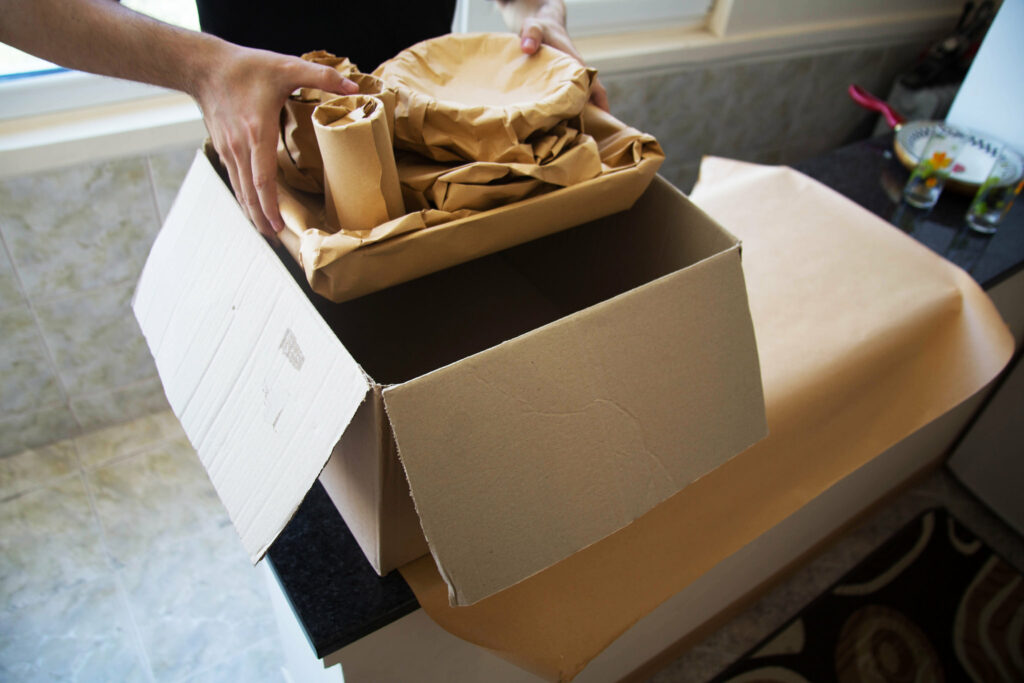
- Packing paper: For wrapping and filling voids.
- Sturdy boxes: Choose sturdy, double-walled boxes in appropriate sizes.
- Furniture pads and blankets: For protecting larger antiques.
Secure and Protect Each Item:
- Individual Wrapping: Wrap each antique individually with bubble wrap, securing it with tape to prevent movement within the box.
- Proper Placement: Place heavier items at the bottom of the box and lighter items on top.
- Fill Empty Spaces: Fill any empty spaces within the box with packing peanuts or crumpled paper to minimize shifting.
Special Considerations for Delicate Items:
- Glass and Ceramics:
- Wrap glass and ceramic items in multiple layers of packing paper.
- Place them upright in the box to minimize the risk of breakage.
- Avoid stacking these items on top of each other.
Clear Labeling:
- Label Each Box Clearly: Label each box clearly, indicating the contents, fragility, and handling instructions (e.g., “Fragile: Handle with Care,” “This Side Up”).
Secure Sealing:
- Double-Check: Double-check that each box is securely sealed with strong tape to prevent accidental opening during transport.
By following these packing techniques, you can significantly reduce the risk of damage to your antiques during the moving process and ensure their safe arrival at your new destination.
Use the Right Packing Materials
The materials you choose can make or break the safety of your antiques. While it might be tempting to use whatever you have on hand, your cherished items deserve better. Standard boxes and old newspapers just won’t provide the level of protection needed for delicate, valuable, or sentimental pieces. Investing in the right supplies is the first and most important step in preparing your antiques for a move, ensuring they are shielded from scratches, moisture, and impact from start to finish.
Professional-Grade Supplies
To properly protect your antiques, you’ll need materials designed for the job. Professional-grade supplies offer superior durability and cushioning compared to everyday alternatives. Start with double- or even triple-walled boxes that won’t crush under pressure. You’ll also want plenty of cushioning wrap, fine tissue, and Kraft paper to create soft layers of protection. High-quality packing tape is essential for sealing boxes securely. You can typically find all the necessary professional-grade moving supplies from a reputable moving company, saving you the hassle of sourcing them yourself.
Materials to Avoid
Just as important as what you use is what you don’t use. Never wrap your antiques in newspaper. The ink can easily transfer onto surfaces, leaving permanent stains that are difficult or impossible to remove. You should also be cautious with plastic wraps applied directly to wood furniture. Plastic can trap moisture against the surface, which may lead to condensation, warping, or damage to the finish, especially during temperature changes. Always use a layer of packing paper or a soft cloth before considering any type of plastic wrap.
Master the Three-Layer Packing Method
For maximum protection, especially for furniture and larger items, adopt a three-layer packing method. This approach ensures your antiques are shielded from surface damage, cushioned against bumps, and secured within a hard outer shell. Each layer serves a distinct purpose, working together to create a comprehensive barrier against the rigors of transport. Taking the time to apply each layer correctly gives your most valuable pieces the best possible chance of arriving at your new home in perfect condition.
First Layer (Initial Protection): The first layer sits directly against your item, so its job is to prevent scratches and dust. Gently wrap the piece in soft, white packing paper or fine tissue. For wooden items, this paper-first step is critical because it allows the wood to breathe. This initial wrap protects delicate finishes and surfaces from abrasion.
Second Layer (Shock Protection): Next, add a thick layer of cushioning to absorb shock and impact. This is where you’ll use materials like thick moving blankets, foam padding, or bubble wrap. The goal is to create a soft, protective buffer around the entire piece. Secure this layer with packing tape or stretch wrap, ensuring it’s snug but not so tight that it puts pressure on fragile areas.
Third Layer (Hard Outer Protection): The final layer provides a rigid exterior. The best option for extremely valuable or fragile antiques is a custom-built wooden crate, a service often included in specialty moves. For a DIY approach, you can create a hard shell using thick, corrugated cardboard from sturdy boxes. Cut the cardboard to fit, wrap it tightly around the cushioned item, and secure it firmly with packing tape to create a strong, protective case.
Transportation Tips
Safe transportation is crucial to ensure your antiques arrive at their new destination in pristine condition.
Choosing the Right Vehicle:
- Ample Space: Select a vehicle with ample space to accommodate your antiques comfortably.
- Smooth Ride: Opt for a van or truck to provide a smoother ride and minimize vibrations.
Secure Loading Techniques:
- Proper Packing: Ensure each item is securely packed and cushioned with blankets, bubble wrap, or foam padding.
- Secure Placement: Secure larger items in the vehicle using straps or ropes to prevent movement during transit.
Handling Fragile Items:
- Vertical Stacking: For fragile items like glass or ceramics, consider vertical stacking to minimize the risk of breakage.
- “Fragile” Labeling: Clearly label boxes containing fragile items with “Fragile” markings.
Safe Driving Practices:
- Drive Carefully: Drive carefully, avoiding sudden stops, sharp turns, and excessive speed.
- Regular Checks: Take breaks during long journeys to check on the condition of your antiques and ensure they remain secure.
Careful Unloading:
- Unpack with Care: Upon arrival, unpack your antiques with care and inspect each item for any damage sustained during transport.
By following these tips, you can significantly reduce the risk of damage during transport and ensure that your valuable antiques arrive at their new home safely.
Safely moving antiques and fragile items requires meticulous planning and careful execution.
By thoroughly assessing your items, employing proper packing techniques, and choosing a safe and reliable transportation method, you can significantly reduce the risk of damage.
Remember to prioritize the safety of your belongings throughout the entire moving process, from initial packing to final delivery.
With careful planning and attention to detail, you can ensure that your cherished antiques arrive at their new destination in the same pristine condition as when they departed.
Proper Handling and Lifting
Once your precious items are packed, the next challenge is moving them without causing harm. Proper handling and lifting are about more than just muscle; they require a slow, deliberate approach. Carelessness is the number one reason items get damaged during a move, so taking your time is the best strategy. Before you even lift a box or a piece of furniture, think through the entire path it will take from its current spot to the moving truck. This foresight helps you anticipate potential issues and handle each piece with the attention it deserves, ensuring your heirlooms are treated like the treasures they are.
Use Correct Lifting Techniques
When lifting heavy antiques, your technique matters just as much as your strength. Always bend at your knees and lift with your legs, keeping your back straight to avoid injury and maintain control. It’s essential to get a firm grip on the item before you start to move it. If a piece is awkward or heavy, don’t try to be a hero—ask for help. Having a second person not only makes the lift easier but also provides an extra set of eyes to spot obstacles. Remember to slow down and think about every step. Rushing leads to mistakes, so move deliberately and communicate clearly with your moving partner to coordinate your movements.
Clear a Path and Use Equipment
Before you lift anything, make sure your path is completely clear. Remove any rugs, boxes, toys, or other tripping hazards from the floor between the item’s location and the moving truck. A clear walkway is a safe walkway. For heavier or bulkier pieces, don’t hesitate to use moving equipment. Furniture dollies, sliders, and moving straps can make a world of difference, reducing the physical strain and minimizing the risk of dropping a valuable piece. Using the right tools for the job isn’t cheating; it’s working smarter to protect both your back and your belongings.
Climate-Controlled Transport and Storage
Antiques, especially those made of wood, are incredibly sensitive to their environment. Fluctuations in temperature and humidity can cause wood to expand, contract, warp, or crack. That’s why climate-controlled transport is so important, particularly for long-distance moves or if your items will be stored for a period. A climate-controlled truck or storage unit maintains a consistent temperature and humidity level, protecting your valuables from extreme heat, cold, and moisture. This simple step provides a stable environment that preserves the integrity and condition of your most delicate pieces, ensuring they arrive just as they left.
What to Move Yourself
While hiring professional movers can take a huge weight off your shoulders, some items are simply too important to hand over. This isn’t about a lack of trust in your moving company; it’s about practicality and peace of mind. Certain items are either prohibited from being transported by movers due to safety regulations, or they are so irreplaceable that you should personally oversee their journey. These items typically fall into two categories: things movers legally cannot transport and precious belongings that hold significant monetary or sentimental value. Knowing which items to pack in your own vehicle will help you prepare for a smoother, worry-free move.
Items Movers Can’t Transport
Moving companies must follow federal regulations that prohibit them from transporting certain goods. These rules are in place to ensure the safety of the moving crew, your belongings, and the general public. Generally, movers cannot transport hazardous materials, which include things like gasoline, propane tanks, fireworks, paint, cleaning supplies, and ammunition. Perishable items, such as refrigerated or frozen food, are also typically on the non-allowable list, as are house plants, which may not survive the trip and can harbor pests. Before packing, it’s a good idea to check with your moving company for their specific list of restricted items.
Irreplaceable Items to Keep With You
Beyond what movers are legally restricted from carrying, there’s a category of items you should always plan to move yourself. Think about the things that are truly irreplaceable. This includes important documents like passports, birth certificates, and financial records. You should also personally transport items of high monetary or sentimental value, such as fine jewelry, cash, family heirlooms, photo albums, and laptops with sensitive information. Keeping these precious items with you in your personal vehicle ensures their safety and gives you complete peace of mind. No matter how careful a moving company is, some things are just too valuable to let out of your sight.
Settling In: Post-Move Steps
Your antiques have safely arrived at your new home—congratulations! But the work isn’t quite over yet. The final steps you take after the moving truck pulls away are just as important as the preparation you did beforehand. This is the time to carefully inspect your belongings, find the perfect spot for them in your new space, and address any issues that may have come up during transit. Properly settling your antiques into their new environment will help ensure they remain in excellent condition for years to come. Taking a little extra time now for inspection and placement will protect your investment and preserve your family treasures.
Inspect for Damage Immediately
As soon as your antiques are unloaded, it’s time to play detective. Before the movers leave, carefully inspect each piece for any new scratches, dings, or other damage. Grab the inventory list and photos you created before the move and compare the current condition of each item to your records. This immediate check is crucial if you need to file an insurance claim. If you do spot any new damage, document it with photos and notify the moving company right away. A thorough inspection upon arrival ensures that any issues are addressed promptly and holds everyone accountable.
Place and Care for Your Antiques
Where you place your antiques in your new home can have a big impact on their long-term health. Try to position them away from direct sunlight, which can fade and damage finishes over time. You should also avoid placing them near heating or cooling vents, as constant changes in temperature and airflow can cause wood to dry out and crack. High-humidity areas like basements or bathrooms are also not ideal. Find a stable, protected spot for each piece, and give them a gentle cleaning to remove any dust from the move. Proper placement is a key part of preserving their beauty and value.
Know When to Call a Professional for Repairs
If you notice that one of your antiques needs a repair—whether it’s a pre-existing issue or new damage from the move—resist the urge to fix it yourself. Unless you’re an expert, DIY repairs can often do more harm than good and can significantly decrease the value of the piece. For any structural damage, broken parts, or significant finish issues, it’s always best to hire a professional restorer who specializes in antiques. They have the knowledge, tools, and materials to perform the repair correctly, preserving the integrity and value of your cherished item.
Frequently Asked Questions
Can I move my antiques myself, or do I really need to hire professionals? This really depends on the item’s value, size, and your comfort level. If you’re moving smaller, sturdy pieces and feel confident in your packing abilities, a DIY move can work. However, for large, extremely fragile, or highly valuable items, hiring professional antique movers is a smart investment. They have the right equipment, experience with delicate pieces, and proper insurance to cover any potential mishaps, giving you invaluable peace of mind.
What if I can’t get a professional appraisal for all my antiques? A formal appraisal is ideal for very high-value pieces, but it’s not always practical for every item. If an appraisal isn’t an option, you can still do your own research to get a solid estimate. Look up similar items on auction sites or antique dealer websites to understand the market value. The most important part is to take detailed photos and document the condition of every piece before the move. This record is essential for your own files and for any insurance purposes.
My antique is too big to disassemble. What’s the best way to protect it? For large, single-piece items like an armoire or a chest of drawers, the three-layer packing method is your best friend. Start by wrapping the entire piece in soft packing paper or a clean sheet to protect the finish. Next, add a thick layer of cushioning with moving blankets, securing them snugly with stretch wrap. For the final layer, you can create a custom “box” out of large, flattened cardboard sheets to provide a hard outer shell that protects against bumps and scrapes.
Is a climate-controlled moving truck really necessary? For a local move on a mild day, you can probably skip it. However, if you’re moving long-distance, across different climate zones, or during extreme heat or cold, climate control is crucial. Drastic changes in temperature and humidity can cause wood to warp, crack, or split and can damage delicate finishes. A climate-controlled truck maintains a stable environment, which is the best way to protect your most sensitive pieces during a long journey.
What’s the very first thing I should do with my antiques once they arrive? Before you do anything else, carefully inspect each piece. As the movers bring your antiques in, check them against the inventory and photos you took before the move. Look for any new scratches, chips, or other damage that may have occurred in transit. It’s much easier to address any issues and file an insurance claim if you identify and document the damage immediately, right when the items arrive.
Key Takeaways
- Prepare for a Successful Move: Before packing begins, get your valuable items professionally appraised, secure specialized insurance that covers their full worth, and measure large furniture and doorways to ensure a smooth fit.
- Use a Professional Packing Strategy: Protect your pieces with a three-layer method. Start with soft paper to guard the finish, add a thick layer of cushioning like moving blankets, and finish with a rigid outer shell like a crate or reinforced cardboard for support.
- Oversee the Journey and Arrival: The job isn’t done until your antiques are settled in. Use proper lifting techniques, consider climate-controlled transport for sensitive items, and inspect everything for damage immediately upon delivery.
Related Articles
- How to Move Antiques: A Step-by-Step Guide
- How to Safely Move Antique Furniture Without Damage – Starving Students Movers
- 9 Steps to Move Antique Furniture Safely
- What Will Movers Not Move? A Pro’s Checklist

Starving Movers